Trim & casing repair
Baseboard and casing patched to match the original profile.
Wood, done right
Central Connecticut is full of hundred-year-old trim and solid wood worth repairing instead of replacing. We fix it to match — same profile, same care.
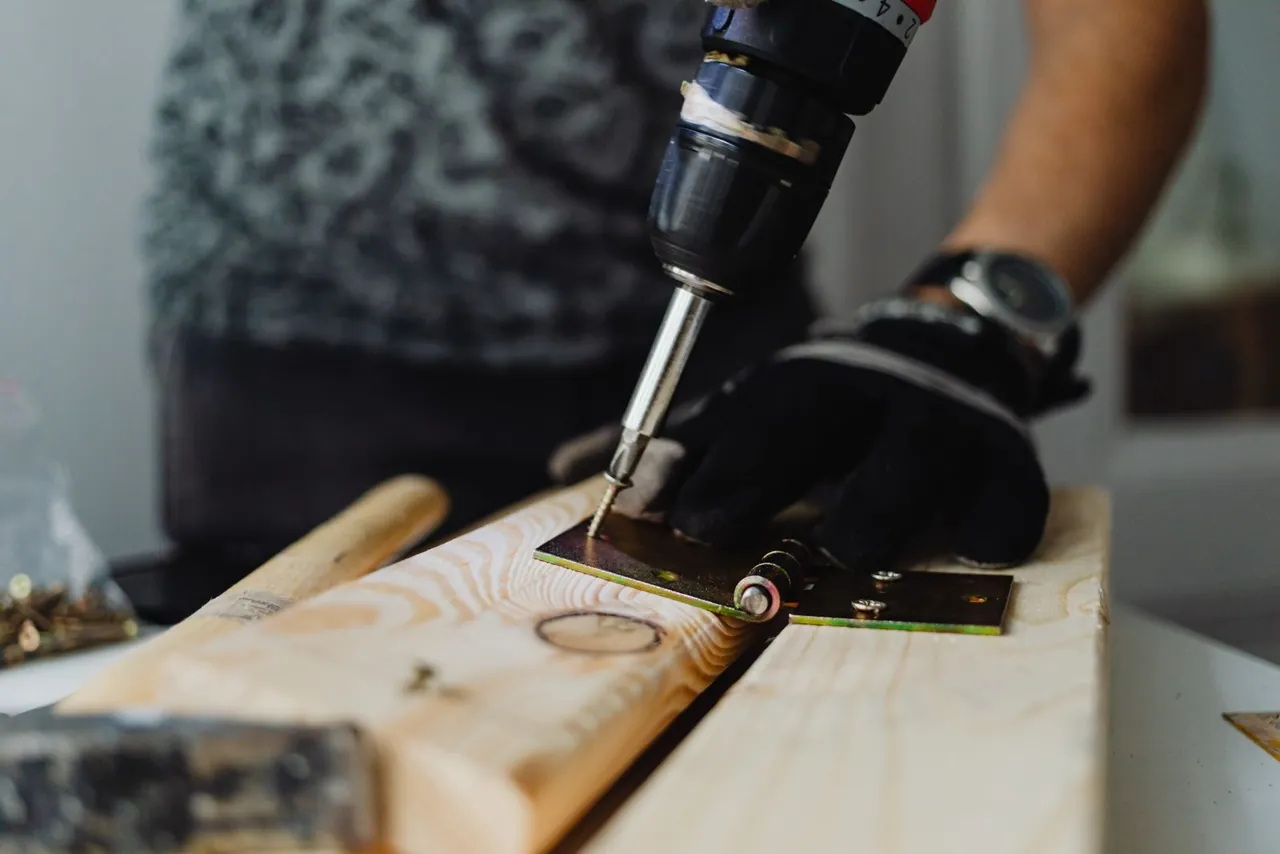
What carpentry covers
Baseboard and casing patched to match the original profile.
Re-hung to close with a finger — swollen from years of humidity.
Wobbly stair rails re-glued, re-fastened, and load-tested.
Built and anchored into solid backing — reachable heights on request.
The worn, spongy ones replaced before they're dangerous.
Loose chairs, tables, and bed frames squared and secured.

Old wood, new respect
The colonial-era homes along Farmington's Main Street and in Old Wethersfield were framed with old-growth timber — denser and straighter than anything at the lumberyard today. Replacing that wood is usually a downgrade; repairing it is almost always the right call.
That philosophy carries into the newer stock too. Around Southington's mill neighborhoods and Bristol's Federal-style houses, the work is the same: match the profile, hide the repair, and leave the house's character intact.
Where something is genuinely beyond saving — a rotted sill, a split tread — we say so, show you why, and replace it with material that belongs in the house.
Profile the original with a gauge or photo.
Source or mill the closest match.
Fit, finish, and blend so the repair disappears.
Pairs naturally with painting — most carpentry finishes with a blended touch-up.
Common questions
Usually, yes. We profile the original and source or mill the closest match; the seam is finished to disappear under paint.
Often under an hour — re-glued, re-fastened into solid backing, and tested with real weight before we leave.
Shelving, storage, and small built-ins, yes. Full remodels and structural framing belong with a licensed contractor — we'll say so plainly.
Describe the woodwork that's bothering you.