Easy-turn locks
Smooth deadbolts and levers that don't need grip strength.
Easy in, safe inside
Stiff deadbolts and heavy doors are a daily frustration — and a real problem for arthritic hands. We fit hardware that turns easily and entries that stay secure.
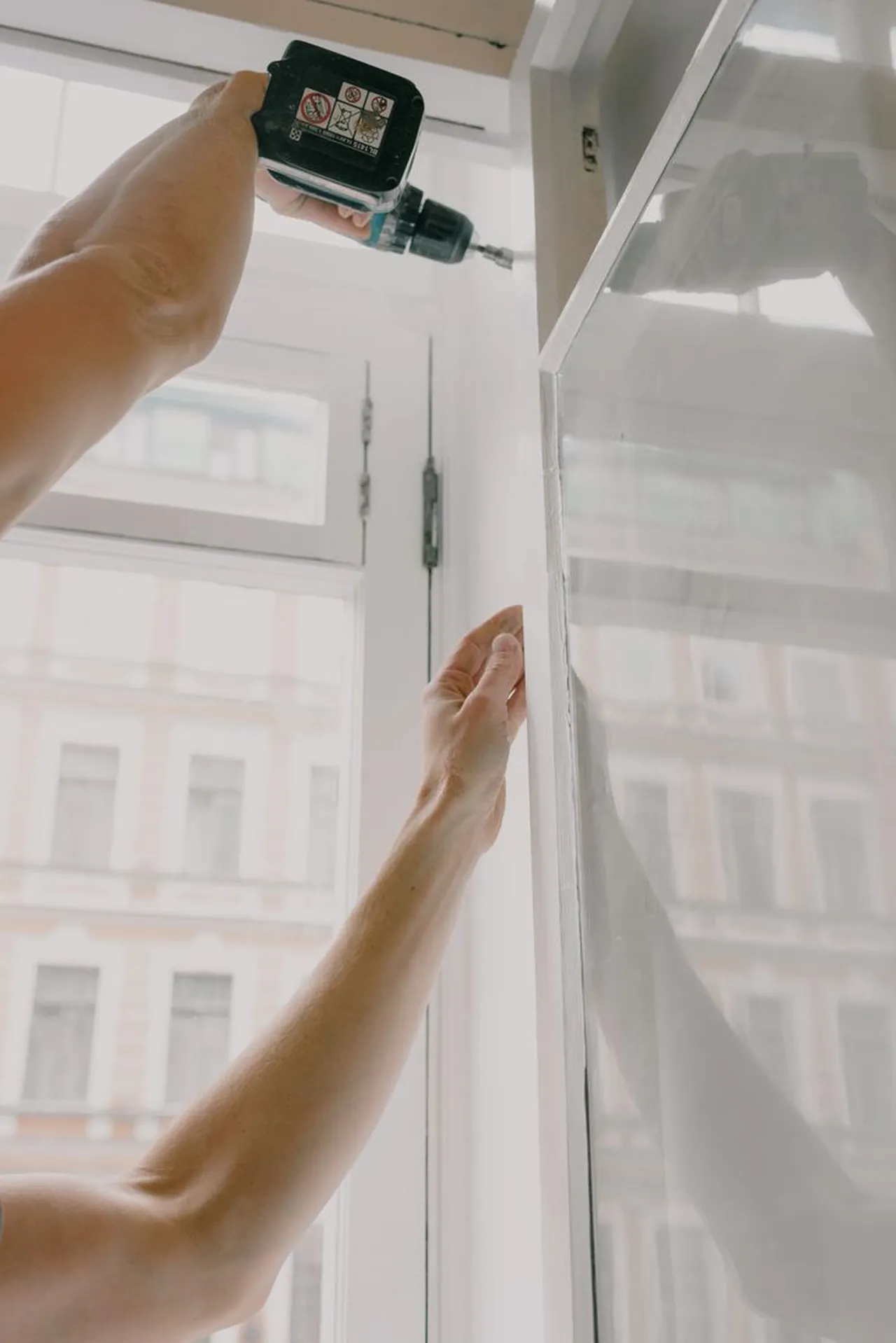
What door & lock work covers
Smooth deadbolts and levers that don't need grip strength.
New bolts bored clean and aligned so they throw without lifting the door.
No slamming, no springing back — a gentle, predictable close.
Raised lips ramped or replaced for canes, walkers, and wheels.
Set at the right height for the person answering the door.
Enlarged and lit — visible to visitors and paramedics alike.
The most-used hardware in the house
That's a hundred thousand cycles on hinges, strikes, and springs built for a fraction of it. Around Bristol's Federal-style homes and Kensington's ranches alike, the failure pattern is identical: a latch that needs a shoulder, a closer that slams, a threshold that catches a cane.
In winter the problem doubles — swollen doors and frozen strikes turn a stiff lock into an impossible one. A visit before the cold months fixes what the season would otherwise break.
For older homeowners this is a safety issue, not a cosmetic one: a door that's hard to open is hard to escape through, and a lock that fights back gets left unlocked.
Often folded into a general handyman visit at no separate trip.
Pairs with entry lighting — a door that opens easily and a porch that's lit at dusk.
Common questions
For simple cylinders, yes. High-security or worn mechanisms are better replaced — we'll show you which and why.
Noticeably. A lever needs a push, not a twist — the difference is immediate for stiff hands.
Common, and fixable. It's humidity swing plus a closer set wrong — adjusting both usually ends it for good.
The front door should never be a struggle.